Posts

Showing posts with the label animal

11 MOST AWESOME HYBRID ANIMALS
Image
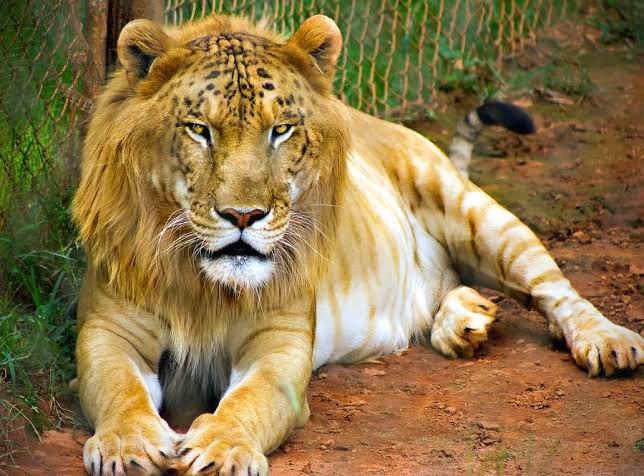
1. Tigon        The tigon's genome includes genetic components of both parents, thus, they can exhibit visible characteristics from both parents: they can have both spots from the mother (lions carry genes for spots - lion cubs are spotted and some adults retain faint markings) and stripes from the father. Any mane that a male tigon may have will appear shorter and less noticeable than a lion's mane and is closer in type to the ruff of a male tiger. It is a common misconception that tigons are smaller than lions or tigers. They do not exceed the size of their parent species because they inherit growth-inhibitory genes from both parents, but they do not exhibit any kind of dwarfism or miniaturization; they often weigh around 180 kilograms (400 lb)   2. Zebroid      A zebroid is the offspring of any cross between a zebra and any other equine to create a hybrid. In most cases, the sire is a zebra stallion. Offspring of a donke...

11 MOST AWESOME HYBRID ANIMALS

Image
1. Tigon        The tigon's genome includes genetic components of both parents, thus, they can exhibit visible characteristics from both parents: they can have both spots from the mother (lions carry genes for spots - lion cubs are spotted and some adults retain faint markings) and stripes from the father. Any mane that a male tigon may have will appear shorter and less noticeable than a lion's mane and is closer in type to the ruff of a male tiger. It is a common misconception that tigons are smaller than lions or tigers. They do not exceed the size of their parent species because they inherit growth-inhibitory genes from both parents, but they do not exhibit any kind of dwarfism or miniaturization; they often weigh around 180 kilograms (400 lb)   2. Zebroid      A zebroid is the offspring of any cross between a zebra and any other equine to create a hybrid. In most cases, the sire is a zebra stallion. Offspring of a donke...

THE FLYING SNAKE

Image
Chrysopelea, more commonly known as the flying snake or the gliding snake, is a genus that belongs to the family Colubridae. Flying snakes are mildly venomous, though the venom is dangerous only to their small prey. Their range is in Southeast Asia, southernmost China, India, and in Sri Lanka. COMMON NAME:  Flying Snakes SCIENTIFIC NAME : Chrysopelea TYPE : Reptiles DIET : Carnivore SIZE : Up to 4 feet They creep, They hiss, They.... fly? Don’t let their wingless bodies fool you snakes in the lowland tropical forests of Southeast and South Asia can glide as far as 100 feet through the air. They push off from tree branches while rotating their ribs to flatten their abdomen, making side to side movements as they glide.    Flying snake is a misnomer, since, barring a strong updraft, these animals can’t actually gain altitude. They’re gliders, using the speed of free fall and contortions of their bodies to catch the air and ...

WORLD'S MOST DEADLIEST ANIMALS

Image
10. Cape Buffalo Cape buffalo, which number around 900,000, are a relatively mild species when left alone, preferring to travel in massive herds to graze in early morning and late afternoon hours or to gather around watering holes to stay hydrated. However, if an individual (or its calf) is threatened or wounded, they become the incarnation of their nickname: Black Death. Reportedly responsible for killing more hunters on the continent than any other creature, these behemoths, which can grow up to nearly six feet tall and weigh close to a ton, circle and stalk their prey before charging at speeds of up to 35 MPH. They’re even known to continue charging no matter where they’re injured and will not hesitate to attack moving vehicles. You don’t want to mess with those horns. 9. Cone Snail Found in the warm waters in the tropics, these beautiful creatures are instantly recognizable for their highly prized brown and white marbled shells andcan be seen in shallow de...

THE HONEY BADGER

Image
The honey badger (Mellivora capensis), also known as the ratel, is a species of mustelid native to Africa, the Middle East and the Indian Subcontinent. Despite its name, the honey badger does not closely resemble other badger species, instead bearing more anatomical similarities to weasels. It is classed as Least Concern by the IUCN due to its extensive range and general environmental adaptations. It is a primarily carnivorous species, and has few natural predators due to its thick skin and ferocious defensive abilities. Honey badgers are one of the most deadly creatures in the world. With their black and white fluffy fur no-one will ever go near this amazing creature. The honey badger is the only member of the genus Mellivora. Although it was initially assigned to the badger group in the 1860s, it is now generally accepted that they bear very few similarities to the subfamily Melinae, instead being much closer to the marten family. Differences between Mellivora and Melinae include a d...